In a world where remote or hybrid working has become the new normal, workers now have more flexibility in choosing where to work, and employers face added pressure to avoid turnover and improve employee retention.
The good news? Actions can be taken to keep your talents longer. According to a recent report from the Work Institute, more than three quarters (77%) of the reasons employees leave the company are preventable. That’s why investing in employee retention strategies is time well spent.
Here’s what employee retention means, why it’s important, and 10 strategies you can use to increase employee retention in your organization.
Table of Contents
What does employee retention mean?
Employee retention is the ability to keep employees in your company. There are myriad factors that influence employees’ desire to continue working for you; many of these are directly linked to the general experiences of employees.
Some of these factors are:
- Salary and benefits
- Flexible work environment (e.g. work from home)
- Corporate culture
- Job satisfaction
- Feeling included and having a sense of belonging at work
Measuring employee retention
Companies calculate employee retention to measure and monitor their retention rates over time. Measuring employee retention provides insight into whether improvements need to be made to your employee experience management and helps determine if your improvements have been successful.
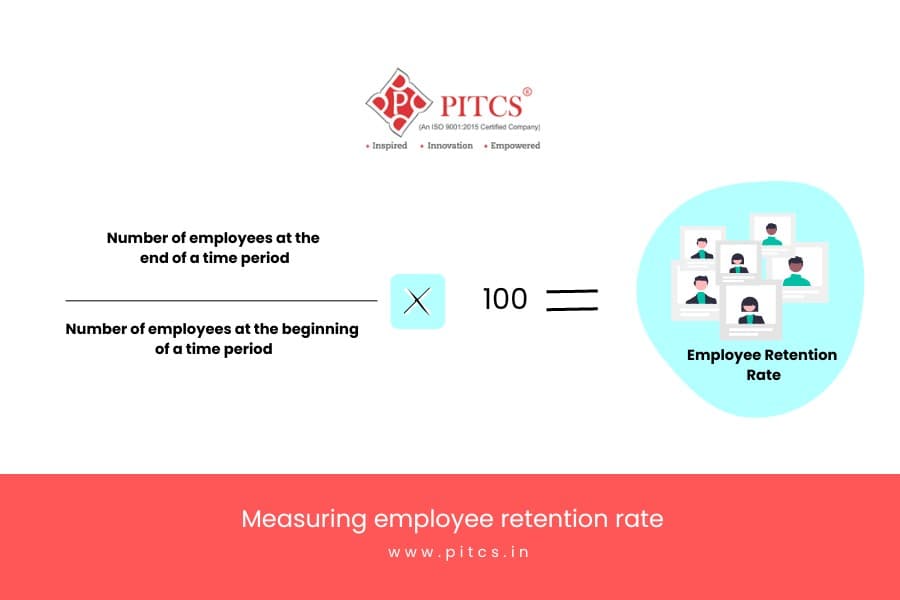
To measure your company’s employee retention rate (the percentage of employees who stay), you can use this simple formula:
In addition to this calculation, you can also calculate the turnover rate (the percentage of employees who leave the company):
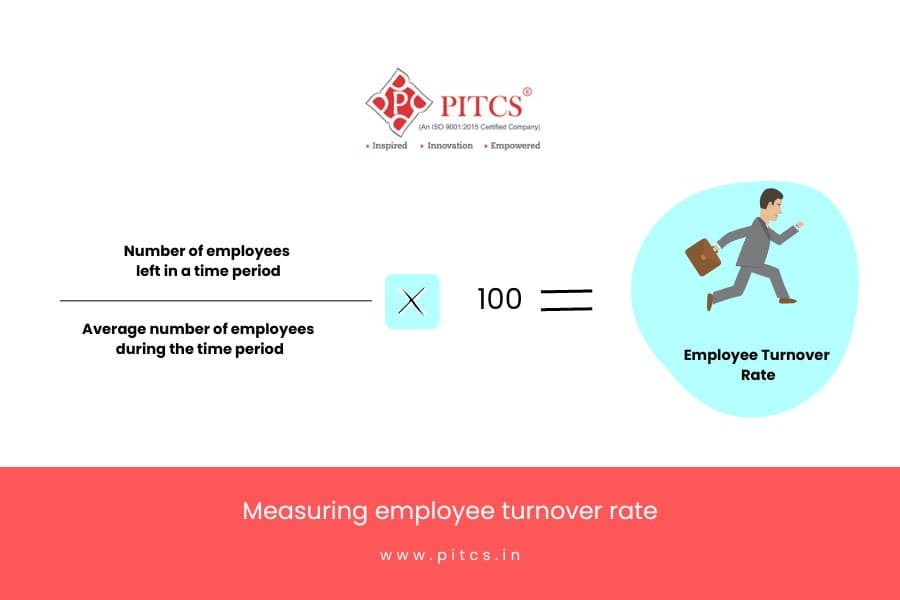
For example: if you had 10 employees at the beginning of a period and 8 employees at the end of a period, the calculations would be as follows:
- Employee retention rate: (8/10) x 100 = 80%
- Employee turnover rate: (2/10) x 100 = 20%
You can also measure employee turnover by surveying your employees about their intention to stay. According to Qualtrics, retention intention is one of the top five key performance indicators (KPIs) for employee experience. By measuring your employees’ retention intent, you can better understand how long your employees plan to work for your company and proactively learn why.
Why is employee retention important?
When employees feel that their workplace experience isn’t meeting their expectations, they are likely to become less committed to their work – and eventually to the job market for opportunities that better meet their professional needs.
1. Happy employees lead to better business results
Research from the Society of Human Resource Management (SHRM) has found that people who are committed to their jobs are more likely to help the organization achieve its goals. A Gallup study showed that high team engagement contributes to 21% higher profitability.
2. Engaged employees are more present and productive at work
The same Gallup study found that teams that rank in the top 20% experienced 41% less absenteeism and 59% less turnover.
3. Losing employees is costly
Replacing a lost employee costs companies between 25 and 200% of that employee’s salary . In other words, if you need to replace an executive who makes $100,000 a year, your company will spend between $25,000 and $200,000 just to fill the position.
10 strategies to increase employee retention
Strategies that help your company to retain employees over the long term are not always obvious at first glance. Below we have compiled 10 employee retention strategies to help you keep your top talent happy, engaged and productive.
1. Focus on the onboarding experience
Onboarding can make the difference between an employee wanting to continue working at your company or not. Already on the first day, the employees take in your corporate culture and assess whether they will be satisfied in the long term.
Don’t miss this critical point in an employee’s life cycle. Make sure every new hire is equipped for success.
2. Rewarding and recognizing employees
In a survey conducted by SHRM, 68% of recruiters said recognition is important for employee retention. Rewards and recognition programs don’t have to be complex to be effective. But they should be personal, timely, and frequent.
3. Offering professional development and growth opportunities
According to LinkedIn, nearly all workers (94%) say they would stay with their company longer if it invested in their professional development and growth. Consider mentoring programs, online courses, and tuition assistance.
4. Ask your employees for feedback
The more often you ask for feedback, the better. Organizations that have an employee experience management program in place report 16 percentage points higher engagement than those without.
5. Take action based on employee feedback
Listening without taking action can lead to worse engagement than not having a program at all. You must respond to feedback to make employees feel heard and valued.
6. Offer flexible working arrangements
People want flexibility. Future Forum research shows that almost all knowledge workers (93%) would like flexible working hours and 76% would like flexible work locations.
7. Promoting employee well-being and preventing burnout
A focus on employee well-being, rather than just short-term fixes, makes the difference. Help employees balance workloads and encourage true disconnect time during time off.
8. Equipping employees with the necessary tools and technologies
Modern technology not only supports productivity, but also helps employees feel engaged and valued. Not sure what they need? Just ask them.
9. Fostering a culture of inclusion and belonging
A sense of belonging inspires employees to do their best work. Employees who feel included are over 3 times more engaged than those who don’t.
10. Conducting Exit Interviews
Termination interviews are a great opportunity to find out why employees are leaving and shed light on which of your current retention strategies are working.